What to check before booking private tours in Barcelona
Booking a private tour in Barcelona is less about finding a famous list of sights and more about matching the day to the way you want to experience the city. A good fit can make a few hours feel rich and unhurried. A poor fit can leave you moving between crowded streets with little context and too little time. Before you commit, look closely at what the tour includes, how the route is shaped, and what kind of local knowledge is actually part of the experience.
Start with the purpose of the day
Private tours in Barcelona work best when the purpose is clear. Some visitors want a first look at landmark buildings. Others want a deeper feel for neighbourhoods, food, art, or the layers of history that sit behind the city's streets. The same city can feel very different depending on the route and the commentary.
Think about the main reason for booking before comparing options. Is the aim to understand architectural heritage, find quieter corners, taste local food, or get oriented during a short stay? A tour that tries to cover every famous site may not leave room for questions, photos, or slow observation. A narrower theme often gives the day more shape.
It also helps to decide who the day is for. A route designed for a couple who enjoy history may feel too dense for a family with younger children. A route built around food markets may not suit someone who wants mostly outdoor walking. Clear priorities make it easier to judge whether a proposed itinerary is a sensible match.
Check what the route really covers
When comparing tours by locals barcelona, read the route as a sequence rather than a list of names. A few well connected stops with time to look around will usually feel better than a long list squeezed into a short window. Check whether the description explains how one place connects to the next, not just which landmarks appear.
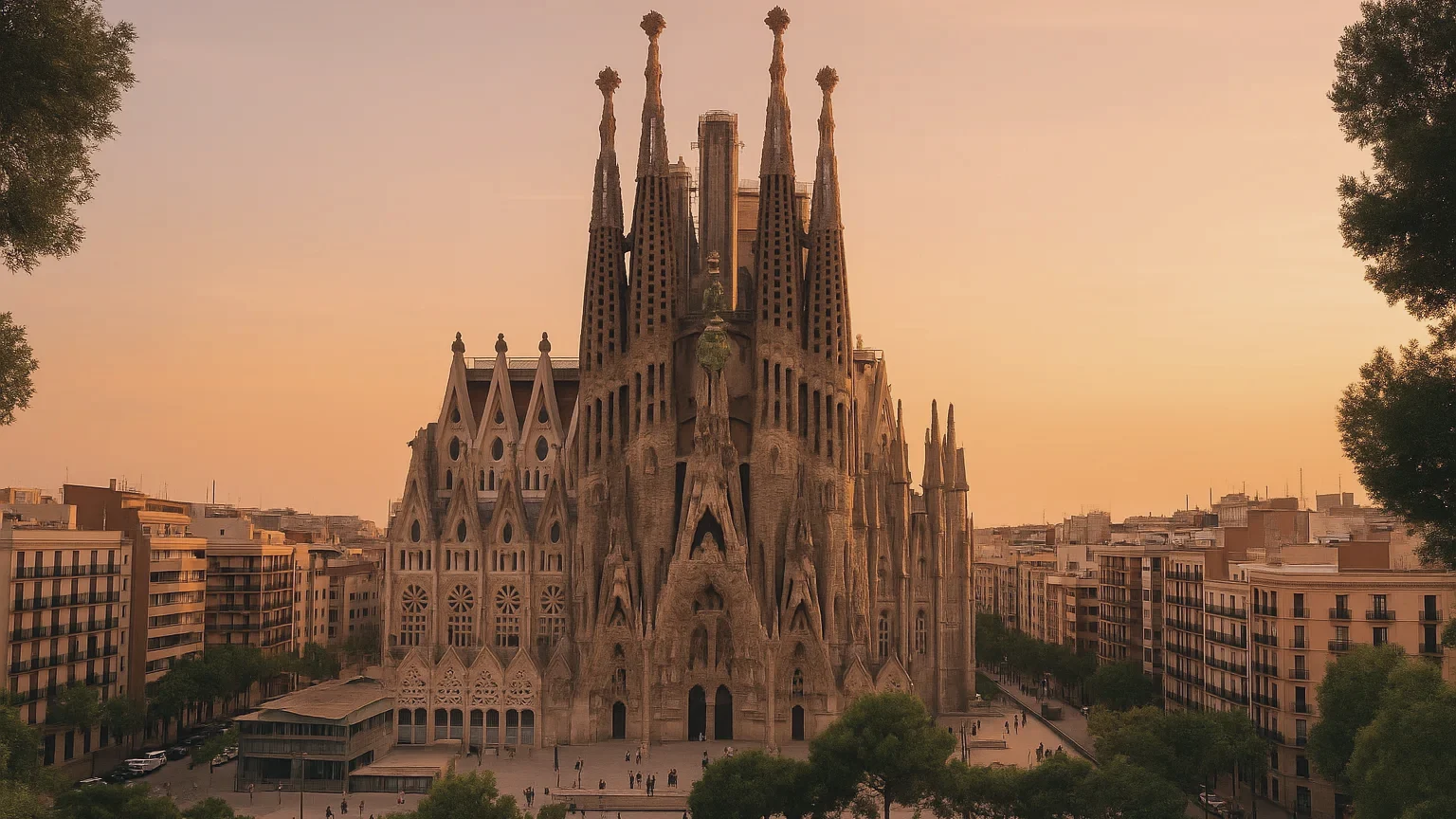
Pay attention to the starting point and finish point. A tour that begins in one district and ends near a metro station or your hotel area can save time and energy. A route that doubles back across the city may waste a surprising amount of the day. Barcelona's streets can be easy to enjoy but tiring if the pace is wrong, especially in warm weather.
Walking routes should also be realistic. Ask yourself whether the distance suits the group, the time of day, and the level of comfort with walking. A day that includes steep sections, long stretches in open sun, or several standing stops needs a different rhythm from a gentle stroll through shaded streets. The route does not need to be effortless, but it should be honest about what it asks of participants.
Look for local insight, not just famous names
Many tours can point out a well known square or building. The value of a private tour often lies in the context around it. Look for signs that the experience includes local insights that explain why a place matters, how a neighbourhood changed, or what details are easy to miss when passing by.
Good commentary connects the visible city with everyday life. In El Born district, for example, a route can move beyond attractive streets and talk about craft, trade, memory, and the way old and new layers sit together. Around food markets, useful context might cover what stalls specialise in, how locals shop, and which customs are worth noticing. That kind of detail turns a stop into something more memorable.
Cultural anecdotes can help too, as long as they are accurate and relevant. A story should illuminate a place, not replace the actual history with a colourful claim. If a description leans heavily on dramatic tales but says little about the sites themselves, treat that as a reason to ask more questions.
Ask how personal the experience is
Private does not always mean tailored. Some tours are private only because the group is separate, while the route and script stay fixed. That can still be useful, but it is different from an experience shaped around your interests. Read the wording carefully. If personalisation is mentioned, check what it means in practice.
Useful questions are practical ones. Can the route change if the weather turns? Is there room for extra time at a site that matters most to you? Can the pace slow down for children or older travellers? Does the tour allow questions throughout, or only at the end? The answers reveal how flexible the day is likely to feel.
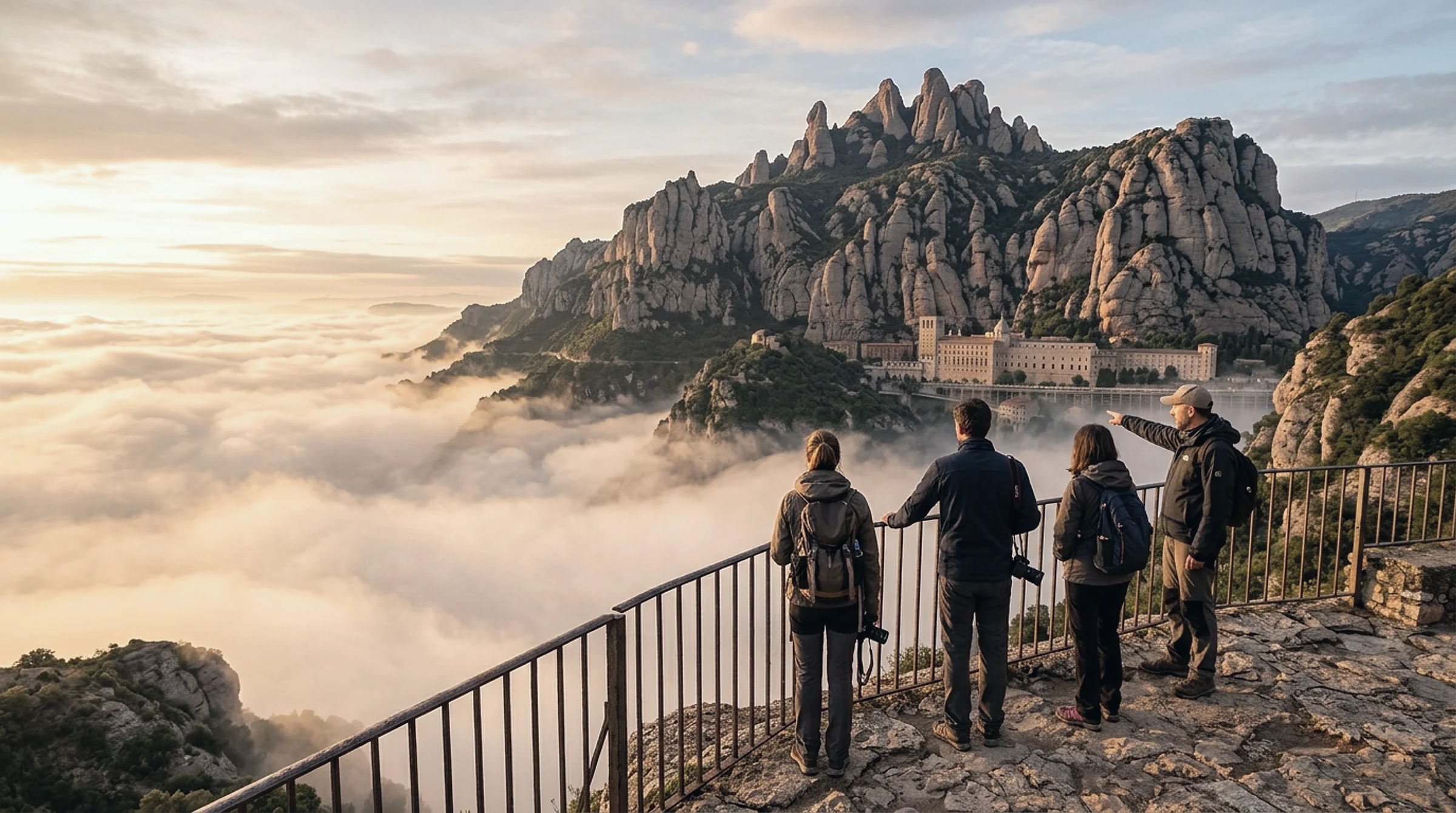
Authentic experiences are not created by adding a few lesser known stops. They come from attention, context, and a route that gives you space to notice the city. A tour that pauses to explain a doorway, a market habit, or a street name may be more rewarding than one that rushes between headline attractions.
Check the balance of structure and free time
A well planned tour has a clear frame but does not fill every minute. Breaks matter, particularly in a city where cafes, markets, and small streets invite a slower look. If the itinerary runs from one stop to the next without a pause, consider whether the group will have time to take in what has been shown.
At the same time, too much unstructured time can feel disjointed if the aim is to learn about the city. The best balance depends on the group. First time visitors may value a steady structure. Repeat visitors may prefer a loose route with room to linger, browse, or follow up on a topic that catches attention.
Check whether the tour includes entry to specific sites, or whether it focuses on the exterior and surrounding streets. Both can work well, but expectations should match. A building seen from outside may still offer plenty through architectural heritage and street level detail, while an interior visit can add depth but may require fixed timing.
Read the practical details before booking
Small practical points can affect the whole day. Confirm the meeting place in enough detail to avoid confusion, especially in busy areas where several streets look similar. Check the language of the tour, since a shared language changes how easily questions and discussion flow. Consider whether the starting time fits transport plans and whether the finish leaves enough room for lunch, dinner, or rest.
Group size is another point to verify. A private experience should feel comfortable for everyone, but the meaning of private can vary in practice. Clarify who will be present and whether the group is limited to your party. This matters if the day is built around quiet conversation, family needs, or a specific theme.
Accessibility should be checked honestly. If anyone in the group has limited mobility, ask about steps, uneven paving, long standing periods, and places to sit. Barcelona has beautiful historic surfaces, but not every street or building is smooth. A route can often be adjusted, yet that works best when needs are known before the day.
Judge the value beyond the headline itinerary
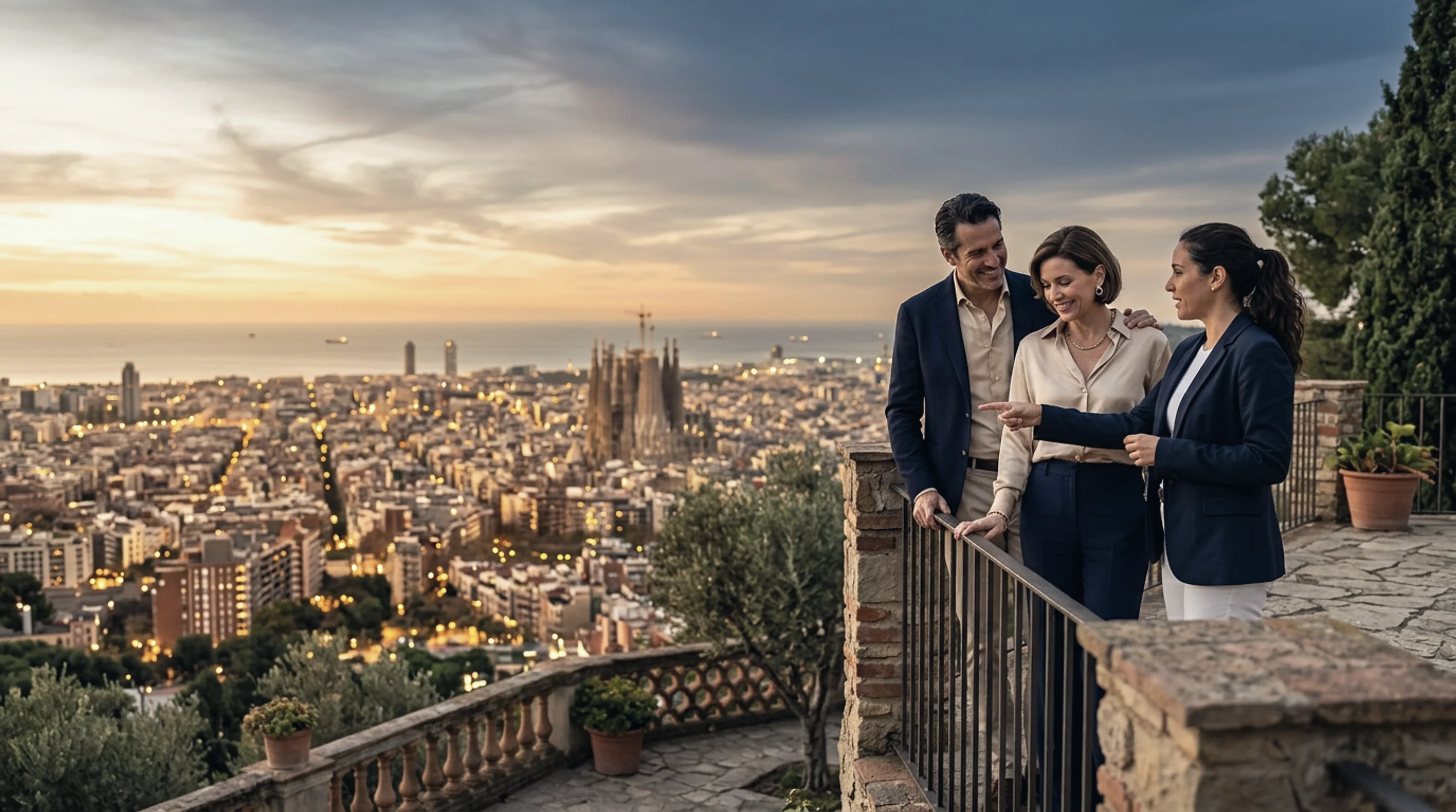
The most useful comparison is not simply which tour lists the most attractions. Look at what is included, how the day is paced, how much attention is given to your interests, and how well the route fits the time available. A shorter tour with focused local insights can be more satisfying than a packed day that leaves little room to absorb anything.
Reviews and descriptions can help, but read them with care. Repeated comments about clarity, pacing, and useful context are more telling than vague praise. If a listing is heavy on adjectives but light on specifics, ask for a sample route or a short outline of how the day usually unfolds.
Before making the final choice, picture the day from arrival to departure. Where will you meet, how will you move through the city, what will you have time to notice, and what will you remember afterwards? When those answers feel clear, the tour is far more likely to suit the way you want to see Barcelona.